
August 27, 2026
 by
by
Owner Operator Pay Guide
Owner Operator Truck Driver Pay: Gross vs. Take-Home Pay
The load board says $200,000 a year. Your bank account says something very different. Here’s exactly where the money goes — and how to keep more of it in your pocket.
Quick Answer
Gross pay is the total revenue an owner-operator earns from hauling loads before any expenses are subtracted. Take-home (net) pay is what’s actually left after fuel, truck payments, insurance, maintenance, dispatch or factoring fees, and taxes. Most owner-operators keep roughly 45%–55% of gross pay as net income, depending on their truck, lanes, and how tightly they manage costs.
If you’ve searched “owner operator truck driver pay,” you’ve probably seen job ads promising six figures. That number is real — but it’s gross revenue, not what lands in your pocket after every bill is paid. Understanding the gap between gross and take-home pay is the single most important financial skill for anyone running their own truck, whether you’re weighing a new carrier, comparing lease-purchase offers, or just trying to figure out why last month’s “great” paycheck didn’t feel that great.
This guide breaks down both numbers in plain English, shows you a real-world example, and gives you practical ways to close the gap between what you earn and what you keep.
What Is Gross Pay, Exactly?
Gross pay is every dollar your truck generates before a single expense is deducted. It’s calculated from your rate per mile, per load, or per percentage of the linehaul, multiplied by the miles you run or loads you haul in a given period. If you see “$180,000/year” advertised for an owner-operator position, that number is almost always gross revenue — the total your truck billed, not your paycheck.
Gross pay depends heavily on:
- Freight type — flatbed, reefer, dry van, car hauler, and power-only all pay differently per mile.
- Lane density and freight lanes — busy corridors mean fewer empty miles and steadier rates.
- Rate structure — cents per mile, percentage of load, or flat-rate dispatch.
- How many miles or loads you’re willing and able to run each week.
What Is Take-Home (Net) Pay?
Take-home pay is what remains after every business expense tied to running your truck is subtracted from gross revenue — and then after self-employment taxes are set aside. This is the number that actually pays your mortgage, your family’s groceries, and your retirement savings. It’s the only number that truly matters when you’re comparing job offers or carrier partners.
Example: One Month, One Truck
Gross Revenue$18,000
100%
Take-Home (Net) Pay≈ $8,600
48%
Illustrative example based on a typical dry van owner-operator running national lanes. Your numbers will vary by equipment, freight lane, and how efficiently costs are managed.
Where Your Gross Pay Really Goes
Here’s a realistic monthly breakdown showing how $18,000 in gross revenue turns into take-home pay:
| Expense Category | Typical % of Gross | Approx. Amount |
|---|---|---|
| Fuel | 20–25% | $3,800 |
| Truck payment / lease | 10–15% | $2,200 |
| Insurance | 5–8% | $1,100 |
| Maintenance & tires | 5–10% | $1,300 |
| Dispatch / factoring fees | 5–10% | $900 |
| Permits, ELD, misc. | 2–3% | $400 |
| Self-employment tax reserve | ~15% | $1,700 (set aside) |
| Estimated Take-Home Pay | $8,600 |
Fuel and truck payments are usually the two biggest line items, which is why fuel-efficient routing and a manageable truck payment matter more than a slightly higher per-mile rate. Dispatch and factoring fees also add up fast — this is one area where working with an experienced dispatch team, like the support offered through Minute By Minute Logistics, can help by negotiating stronger rates and cutting down on costly deadhead miles.
Real Numbers: Gross vs. Take-Home by Region
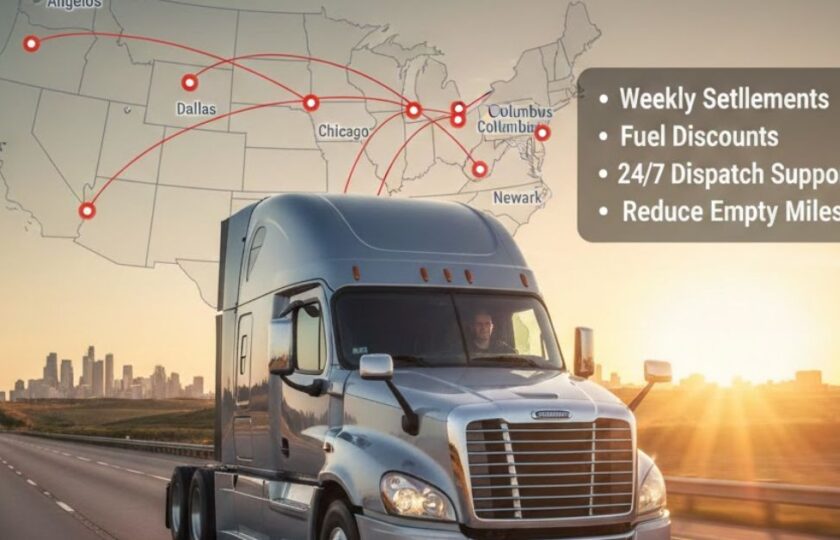
Fuel prices, insurance costs, and freight density all shift by state, which changes your net pay even if your gross rate per mile stays the same. Owner-operators running out of freight hubs such as Nashville, TN, Dallas, TX, Atlanta, GA, Chicago, IL, and Los Angeles, CA generally see steadier freight and shorter deadhead, which directly improves take-home pay compared to running in freight-sparse regions where empty miles pile up between loads.
Nationwide carriers with dense lane coverage — like the network of loads offered to owner operators partnering with Marvel Logistics — help reduce those empty miles by keeping trucks moving between hubs instead of sitting or running light.
Car Haulers: A Different Pay Structure
Car hauling typically pays a higher rate per mile than standard dry van or reefer freight, but it comes with specialized equipment, tie-down skills, and inspection requirements that affect your cost structure. Drivers considering the switch often start with focused training — programs like Car Haul Dispatch Academy teach the load-securement, paperwork, and dispatching skills needed to run car hauler freight profitably instead of losing the pay bump to damage claims or inefficient loading.
“
Don’t chase the gross number in a job ad. Ask what’s included in that figure, run your own cost-per-mile math, and calculate your realistic net before you sign anything.
— Common advice from veteran owner-operators
See What Your Real Take-Home Pay Could Look Like
Steady freight, transparent pay, and dispatch support built to protect your net income.
7 Ways to Increase Your Take-Home Pay
- Know your true cost per mile — track fuel, maintenance, insurance, and payments so you can spot unprofitable loads instantly.
- Negotiate rates before you accept — a $0.10/mile difference adds up to thousands per year.
- Cut deadhead miles — smart dispatching and better lane planning keep you loaded instead of running empty.
- Stick to preventive maintenance — small repairs are cheaper than roadside breakdowns and missed loads.
- Understand every fee on your settlement — dispatch, factoring, and insurance line items should always be transparent.
- Set aside taxes monthly — treating self-employment tax as a real expense avoids a painful surprise in April.
- Partner with a carrier that offers steady freight and clear pay structures, so your gross number reliably converts into strong take-home pay.
Why the Right Carrier Partner Changes the Math
Two owner-operators can run the same truck on the same lanes and end up with very different take-home pay — because one is burning money on deadhead miles, unclear fees, and inconsistent freight, while the other has steady loads and a support system built around protecting their bottom line. That’s the entire philosophy behind carriers like Marvel Logistics, a nationwide freight and owner-operator carrier based in Nashville, Tennessee, offering transparent pay, consistent freight, and dispatching support designed to reduce the wasted miles that quietly eat into net income.
Before choosing a carrier, it’s worth reviewing exactly how pay, fees, and support are structured — check the frequently asked questions or learn more about the company’s approach to owner-operator partnerships before signing on.
Ready to Run With a Carrier That Protects Your Net Pay?
Join a nationwide team built for steady loads and honest settlements.
Frequently Asked Questions
What is a good take-home pay percentage for owner-operators?
Most owner-operators aim to keep 45%–55% of gross revenue as take-home pay after fuel, truck payments, insurance, maintenance, and taxes. Anything consistently below 40% usually signals high overhead or inefficient routing that’s worth reviewing.
How much do owner-operator truck drivers make after expenses?
After expenses, owner-operators commonly take home between $60,000 and $100,000+ per year, depending on freight type, lanes run, equipment costs, and how tightly business expenses are managed. Gross figures advertised in job postings are almost always higher than this real, after-expense number.
Is gross or net pay more important when comparing trucking jobs?
Net (take-home) pay matters far more, since it reflects what you actually earn after covering fuel, insurance, maintenance, and taxes. Two jobs with the same gross pay can produce very different take-home pay depending on fee structures and freight consistency.
How can I lower my expenses as an owner-operator?
Track cost per mile closely, follow a preventive maintenance schedule instead of reactive repairs, minimize deadhead miles through better dispatching, use fuel discount programs, and review every fee on your settlement statement for transparency.
Do car haulers make more than dry van owner-operators?
Car haulers often earn a higher rate per mile than dry van drivers, but equipment costs, specialized training, and load-securement requirements can offset some of that gain. Proper training helps car haulers convert that higher rate into stronger actual take-home pay.
The Bottom Line
Gross pay gets the headlines, but take-home pay pays the bills. The gap between the two comes down to fuel efficiency, truck payments, insurance, dispatch fees, and — most importantly — how consistent and well-supported your freight actually is. Owner-operators who track their real numbers and partner with carriers offering transparent pay and steady loads consistently keep more of what they earn.
Turn Your Gross Pay Into Real Take-Home Pay
Apply today and find out what steady freight, fair rates, and honest dispatching can do for your paycheck.