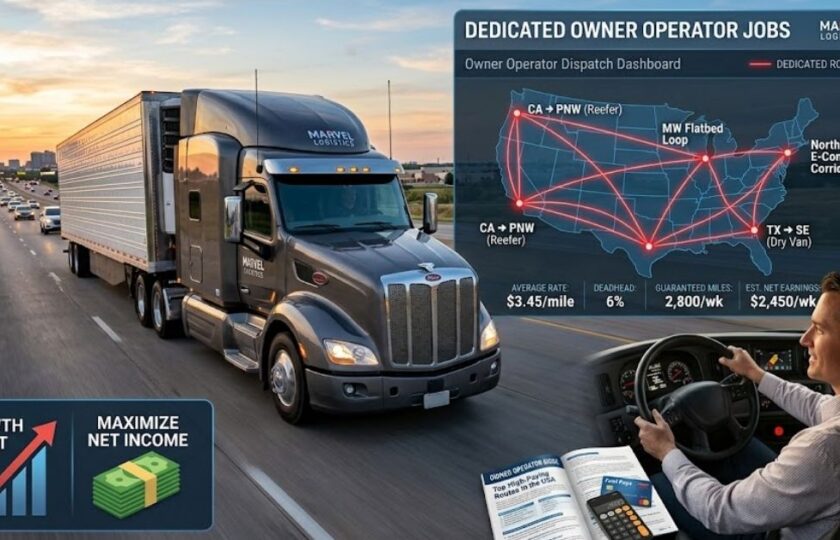

Owner-Operator Pay Guide
How to Increase Your Weekly Take-Home Without Forced Dispatch
No forced loads. No games. Just real strategies that put more money in your pocket every single week — while you stay in full control of your truck and your schedule.
⏱ 7 min read | Updated for 2026 | Written for owner-operators across the USA
If you’ve ever been told to take a load you didn’t want — just because “dispatch said so” — you already know how fast forced dispatch can wreck a good week. It burns your hours of service on cheap freight, drags your truck off your preferred lanes, and quietly erodes the take-home pay you worked so hard to earn. The good news? You don’t have to accept it. There’s a better way to run your truck, and it starts with understanding exactly how top-earning owner-operators build steady income without ever being forced onto a load.
Quick answer: The fastest way to raise your weekly take-home without forced dispatch is to partner with a carrier that offers transparent pay and steady, pre-planned freight, choose your equipment strategically, control your deadhead miles, and lean on professional dispatch support instead of a broker who dictates your schedule.
Why Forced Dispatch Quietly Kills Your Paycheck
Forced dispatch sounds convenient on paper — loads show up, you drive, you get paid. But in practice, it strips away the one advantage every owner-operator has: choice. When a carrier forces loads onto your truck, you lose the ability to say no to underpaying freight, avoid congested lanes, or plan your week around fuel stops and home time. Over a month, those “forced” miles add up to real money left on the table.
Drivers who run with nationwide trucking and freight jobs that respect their autonomy consistently report higher weekly earnings, simply because they can turn down bad-paying loads and hold out for freight that actually moves the needle.
1. Partner With a Carrier That Offers No Forced Dispatch
This is the single biggest lever you can pull. Carriers that build their business around owner operator jobs with steady loads and transparent pay let you evaluate every load before you commit. That means you’re never stuck hauling freight below your rate floor just to “keep the truck moving.” Look for a carrier that publishes its pay structure upfront, offers real-time load visibility, and treats your rig as your business — not their asset.
What to look for in a no-forced-dispatch carrier:
- Transparent, upfront pay per load — no surprise deductions
- Consistent freight across flatbed, reefer, dry van, car hauler, and power-only equipment
- 24/7 support team that actually answers the phone
- The freedom to decline a load without penalty
2. Choose the Right Equipment for the Freight Market
Not all trailers earn the same in every season. Flatbed and reefer freight tend to command stronger rates during peak produce and construction seasons, while dry van stays steadier year-round. Car haulers, meanwhile, can be one of the most profitable niches for drivers who know how to run it — but the learning curve is real. If you’re new to hauling vehicles, structured training from a program like Car Haul Dispatch Academy can shorten that curve dramatically, teaching you how to price loads, plan multi-car routes, and avoid the rookie mistakes that eat into profit.
3. Cut Deadhead Miles With Smarter Dispatch Support
Every empty mile you drive is money you’re not making. This is where professional dispatch support earns its keep. Instead of chasing loads yourself or accepting whatever a broker throws your way, working with a dedicated dispatch service like Minute By Minute Logistics means someone is actively planning your lanes, backhauls, and delivery windows so your truck is loaded — and moving — as often as possible.
Pro tip: Ask any prospective dispatch partner for their average empty-mile percentage. Anything consistently above 15–18% is a red flag worth questioning.
4. Negotiate Rates Instead of Accepting the First Offer
Owner-operators who negotiate — even gently — consistently out-earn those who accept the first number. Know your cost-per-mile (fuel, maintenance, insurance, ELD fees) before you ever look at a rate confirmation. If a load doesn’t clear your floor, walk away. Carriers with no forced dispatch make this easy because you’re never pressured to accept.
5. Track Your Numbers Like a Business Owner
Weekly take-home isn’t just about rate per mile — it’s revenue minus every expense. Track fuel, tolls, maintenance reserves, and downtime religiously. A driver running 2,200 miles a week at $2.10/mile with tight deadhead control will consistently out-earn a driver running 2,600 miles at $1.85/mile with sloppy planning.
| Strategy | Weekly Impact |
|---|---|
| Eliminating forced, low-paying loads | +$150–$400 |
| Reducing deadhead miles by 10% | +$100–$250 |
| Rate negotiation on 2–3 loads/week | +$75–$200 |
| Right-sized equipment for the freight cycle | +$100–$300 |
Real Drivers, Real Freedom
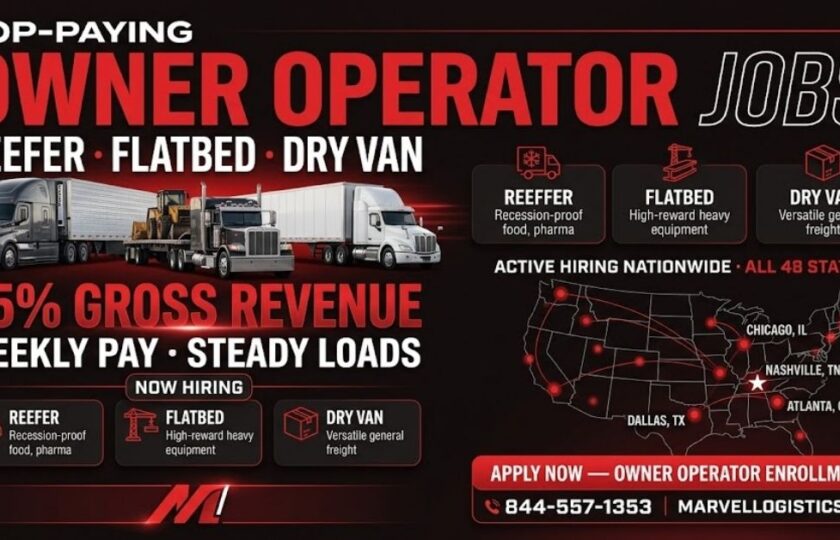
Owner-operators from Nashville, Tennessee to Dallas, Texas and Atlanta, Georgia are finding that the freedom to choose their loads — not the size of their truck — is what drives consistent income. Whether you’re hauling out of a major freight hub or running regional lanes through the Midwest, the principle stays the same: control over dispatch equals control over your paycheck.
Ready to Run Your Truck, Your Way?
Join a carrier built on steady loads, transparent pay, and zero forced dispatch. Your rig, your rules — backed by nationwide support.
Frequently Asked Questions
What does “no forced dispatch” actually mean for owner-operators?
No forced dispatch means you have the right to accept or decline any load offered to you, without penalty. You stay in control of your rate, your route, and your schedule instead of being assigned freight automatically.
How much more can an owner-operator earn without forced dispatch?
It varies by lane and equipment, but drivers who avoid forced, underpaying loads and manage deadhead miles typically see an increase of $300–$800 in weekly take-home, depending on freight type and how actively they negotiate rates.
Is car hauling more profitable than dry van or reefer?
Car hauling can be highly profitable, but it requires specialized knowledge of routing, load securement, and pricing multi-vehicle loads. Programs like Car Haul Dispatch Academy help new drivers ramp up faster and avoid costly early mistakes.
Do I need a dispatch service if I’m already an owner-operator?
Not always, but a dedicated dispatch service can save you hours of load-searching each week and often reduces deadhead miles, which directly improves your weekly take-home pay.
What should I ask a carrier before signing on as an owner-operator?
Ask about their dispatch policy (forced vs. voluntary), average rate per mile by equipment type, deadhead percentage, payment schedule, and whether they offer nationwide freight or regional-only lanes.
Nashville, TN — Supporting owner-operators nationwide with steady freight, transparent pay, and zero forced dispatch since day one.