
September 18, 2026
 by
by
Trucking & Owner Operator Careers
Owner Operator Jobs: 85% Gross + Fuel & Dispatch Support
Updated September 2026
10 min read
USA · Nationwide
10 min read
USA · Nationwide
If you’ve typed “owner operator jobs 85% gross” into Google, you already know the basics of leasing on with a carrier. What you actually want to know is sharper than that: is 85% gross really as good as it sounds, what does real dispatch support look like day to day, and which companies keep their promises once you sign? This guide answers all three, using the pay structures, fuel programs, and dispatch models currently used by carriers hiring owner operators across the United States.
What Does “85% Gross” Actually Mean for Owner Operators?
An 85/15 gross split is one of the most straightforward pay structures in trucking. The carrier bills the broker or shipper for the full load, keeps 15% as a dispatch and administrative fee, and pays you the remaining 85% of that gross amount — before you cover your own fuel, maintenance, tolls, and insurance. It’s different from a percentage-of-net model, where hidden deductions can quietly shrink your cut, and different from flat cents-per-mile pay, which doesn’t move when freight rates spike.
The appeal is transparency. When a load pays $3,000, an 85% split means you see $2,550 land in your settlement, not a number buried under unexplained line items. That clarity is exactly why “85% gross” has become a search term of its own among experienced owner operators comparing carriers.
Why this matters: Owner operators comparing offers should always ask carriers to show a sample settlement statement before signing. A legitimate 85% gross program will have nothing to hide in that number.
Why Fuel Support Matters More Than Ever
Fuel is typically the single largest operating cost for an owner operator, often eating 20–30% of gross revenue depending on truck efficiency and lane length. A carrier that pairs an 85% gross split with a genuine fuel discount program — network-wide savings at major truck stop chains, fuel cards with no activation fees, and sometimes fuel advances on longer runs — is effectively protecting your take-home pay from the part of the business you have the least control over.
When you’re evaluating owner operator jobs, ask specifically how the fuel program works: which truck stop networks it covers, whether discounts are per-gallon or percentage-based, and how quickly fuel advances post to your card. Vague answers here are a warning sign.
The Role of Dispatch Support in Your Bottom Line
Dispatch is where an 85% gross number either becomes real income or stays a marketing line. A strong dispatch team keeps your truck loaded, negotiates lane rates instead of just accepting whatever a load board shows, and communicates delays or detention issues before they cost you a full day. A weak one leaves you sitting, burning fuel and time without revenue.
Some carriers coordinate their owner operator dispatching through dedicated logistics and brokerage partners rather than handling it entirely in-house. For example, Minute By Minute Logistics is one such auto-transport and freight logistics company that carriers lean on for pre-arranged brokerage and dispatch coordination — the kind of behind-the-scenes support that helps keep an owner operator’s truck moving instead of parked at a truck stop waiting on a load.
When comparing carriers, ask a simple question: who is actually finding my loads, and how many trucks does one dispatcher manage? A dispatcher juggling 40+ trucks cannot give your lanes the attention a smaller, focused team can.
What to Check Before You Sign With Any Carrier
- Pay transparency: Ask for a sample settlement statement, not just a promised percentage.
- Fuel program details: Network coverage, discount type, and advance turnaround time.
- Dispatch ratio: How many trucks per dispatcher, and what hours support is available.
- Load consistency: Ask current owner operators about average miles per week, not just best-case numbers.
- Home time policy: Confirm how routes are planned around your schedule, not just theirs.
- Equipment requirements: Confirm your trailer type (dry van, reefer, flatbed, or car hauler) matches available freight.
Where These Owner Operator Jobs Are Available
Nationwide carriers running 85% gross programs typically dispatch out of central freight hubs and cover lanes across the country, including strong freight activity in:
- Nashville, TN
- Atlanta, GA
- Dallas, TX
- Chicago, IL
- Charlotte, NC
- Columbus, OH
- Phoenix, AZ
- Kansas City, MO
A Nashville-based carrier, for instance, sits within a day’s drive of much of the Southeast, Midwest, and Texas freight markets, which helps dispatch teams keep trucks loaded on both the outbound and return legs of a run — a detail that directly affects how consistently your weekly miles, and your 85% gross pay, actually come through.
Car Hauler Owner Operators: A Growing Niche
Car hauling remains one of the more specialized corners of the owner operator world. It rewards drivers who understand load boards, carrier and broker relationships, and the specific compliance rules that apply to vehicle transport equipment. Rates per load tend to run higher than general freight, but so does the learning curve.
Worth a look: If you’re specifically weighing a move into car hauling — whether as a driver or eventually as a dispatcher yourself — Car Haul Dispatch Academy is a training resource built around the niche, covering load boards, carrier relationships, and dispatch fundamentals for people trying to break into or scale within the car haul market. It’s a good side-read before you commit equipment to this lane type.
Sample Weekly Snapshot: 85% Gross Pay in Practice
| Item | Approx. Weekly Figure |
|---|---|
| Gross freight revenue (load total) | $5,000 |
| Dispatch/admin fee (15%) | -$750 |
| Owner operator gross pay (85%) | $4,250 |
| Estimated fuel cost (with discount program) | -$1,200 |
| Estimated net before other expenses | ~$3,050 |
Figures are illustrative and will vary by lane, truck efficiency, and freight rates. Always request current numbers directly from a carrier.
How to Apply for Owner Operator Jobs With 85% Gross Pay
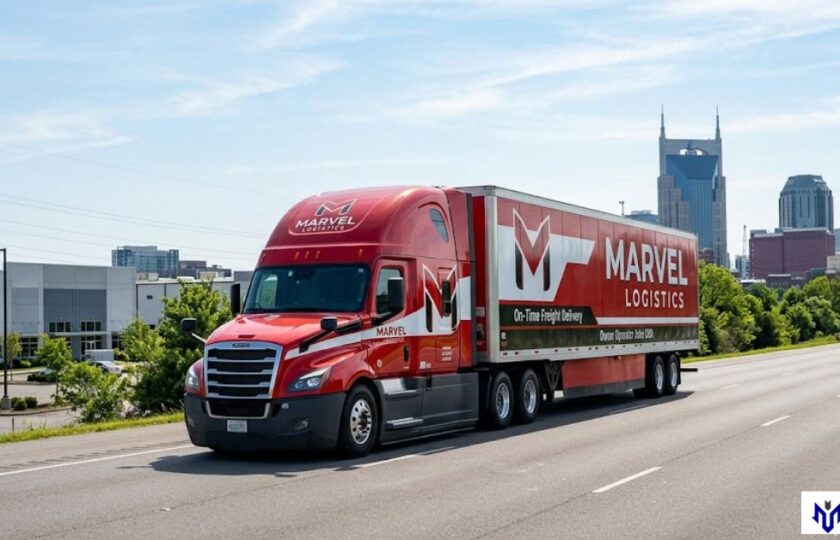
Once you’ve compared pay structures, fuel programs, and dispatch models, applying is usually the fastest part of the process. Marvel Logistics, a Nashville, TN-based carrier, runs an 85% gross owner operator program paired with fuel support and dispatch coordination, covering equipment types including dry van, reefer, flatbed, power only, and car hauler.
If that pay structure and support model line up with what you’re looking for, you can start the process directly through the Marvel Logistics owner operator application. The form asks for your equipment type, contact details, and experience, and typically gets a response from their team within a day or two.
Ready to See What Your Truck Could Earn?
Apply in a few minutes and get connected with a dispatch team that keeps your wheels moving.
Frequently Asked Questions
What does an 85% gross pay split mean for an owner operator?
It means the carrier keeps a 15% dispatch/admin fee from each load’s total revenue, and you’re paid the remaining 85% before covering your own fuel, maintenance, and insurance costs. It’s a transparent structure because your pay moves directly with what the load actually pays.
How much can an owner operator make per week on 85% gross pay?
It varies by lane and freight rates, but many owner operators running consistent regional or OTR miles on an 85% gross program see gross settlements roughly in the $3,500–$6,000+ range per week before fuel and truck expenses.
Do owner operators need their own authority to get 85% gross pay?
No. Most 85% gross programs are built for owner operators leasing under a carrier’s authority, so there’s no need for your own MC number or dispatch setup — the carrier handles compliance and dispatch in exchange for the 15% fee.
What fuel and dispatch support should I expect from an owner operator job?
Expect a fuel discount card usable at major truck stop chains, consistent communication from dispatch, steady load offers with minimal downtime, and clear settlement statements that itemize every deduction.
Is car hauling a good niche for owner operators right now?
Car hauling is a specialized, less crowded freight segment that can pay well for owner operators who understand load boards and carrier relationships. Many drivers pair a reliable dispatch partner with focused training before committing equipment to the niche full-time.